| 6 Feb 26 | Climate-Resilient Housing: A Panacea for Flood-Prone Communities in Nigeria | |
| 13 Feb 26 | An Assessment of Diversification Strategies for Sustainable Economic Growth in Nigeria | |
| 20 Feb 26 | An Assessment of Climate-Smart Agriculture (CSA) as a strategy for reducing Land Degradation | |
| 27 Feb 26 | Intellectual Property Management and Protection of Indigenous Defence Innovations | |
| 6 Mar 26 | Digital Health Systems for improved healthcare services delivery in the Nigerian Hospitals | |
| 13 Mar 26 | Early Warning Systems (EWS) as a mechanism for combating ethno-religious conflict in Nigeria | |
| 20 Mar 26 | An Assessment of Poverty Alleviation Programmes and their impact on Sustainable Development in Nigeria | |
| 27 Mar 26 | Eliminating Silos to Enhance Organizational Effectiveness: Cross-Directorate Collaboration Exercises | |
| 3 Apr 26 | Mobile Learning Initiatives and Enhancement of the Out-of-school Children’s Education in Nigeria | |
| 10 Apr 26 | Digital Governance as a tool for enhancing Nigeria’s Public Sector Integrity |
The
Deputy Director General of the Defence Research and Development Bureau, Major
General OM Bello, has urged staff to become ambassadors of accurate tax
information, encouraging them to be bearers of good news and help curb
misinformation about the tax reforms. He made this call on Friday, January
30th, following an enlightenment session conducted by the Nigeria Revenue
Service (NRS) on taxation and the impact of Nigeria's 2026 Tax Policy on
employee earnings. The presentation, which held at the Bureau's headquarters,
was delivered by a three-member team comprising Mr Olufemi Olarinde, Head of
Fiscal Reform and Tax Implementation Division, Mrs Silifat Iyabode Ibrahim and
Mr Bashir Sami.
The
presentation is the first in the series of the Bureau's training programme for
year 2026 and aimed to educate the Bureau's staff on taxation principles,
provide clarity on the recently enacted tax reform act and address questions on
various aspects of tax administration. The first presenter, Mr Bashir Sami
spoke on understanding taxation, PAYE and salary deductions. He explained the
objectives of taxation and provided an overview of taxable and personal income.
It was highlighted that military personnel are exempted from tax obligations,
while clarifying that civilian staff working in military units are not
exempted, a point of particular relevance to the DRDB audience.
the
DRDB audience.
Mrs
Silifat Iyabode Ibrahim followed with a session on employee responsibilities
and practical financial awareness, emphasizing the importance of understanding
tax reliefs and exemptions. She encouraged the audience to maintain accurate
personal financial records and avoid misinformation and unofficial advice on
tax matters. The team leader, Mr Olufemi Olarinde concluded the session by
highlighting the significance of the new tax reforms, outlining exemptions
introduced under President Bola Ahmed Tinubu's administration which he noted
has an advantage over the old tax policy. Mr Olufemi further enlightened the
audience on the tax exempted goods and explained zero-rate goods provisions. He
demonstrated in a practical session how to use the Personal Income Tax
Calculator portal to calculate the tax rates workers are liable to remit under
the new tax act.
The
presentation was followed by a robust interactive session where participants
sought clarifications on various aspects of the new tax reforms. Key concerns
raised included inquiries regarding the extent of government access to
taxpayers' banking information, tax obligations on secondary income streams and
auxiliary business ventures and the tangible benefits and public goods derived
from tax remittances to the government. The NRS team provided comprehensive
responses to all queries, offering detailed explanations on data privacy
protocols, multiple income taxation frameworks, and the utilization of tax
revenues for national development and public service delivery.
In
his remarks, the Director General of the Bureau, Rear Admiral KJ Odubanjo mni,
represented by Major General Bello, expressed appreciation to the NRS team for
their comprehensive explanation of the tax act. He emphasized the importance of
the enlightenment session and commended the NRS's willingness and camaraderie
in honouring the Bureau's invitation on such short notice.
Head of
Fiscal Reform and Tax Implementation Division
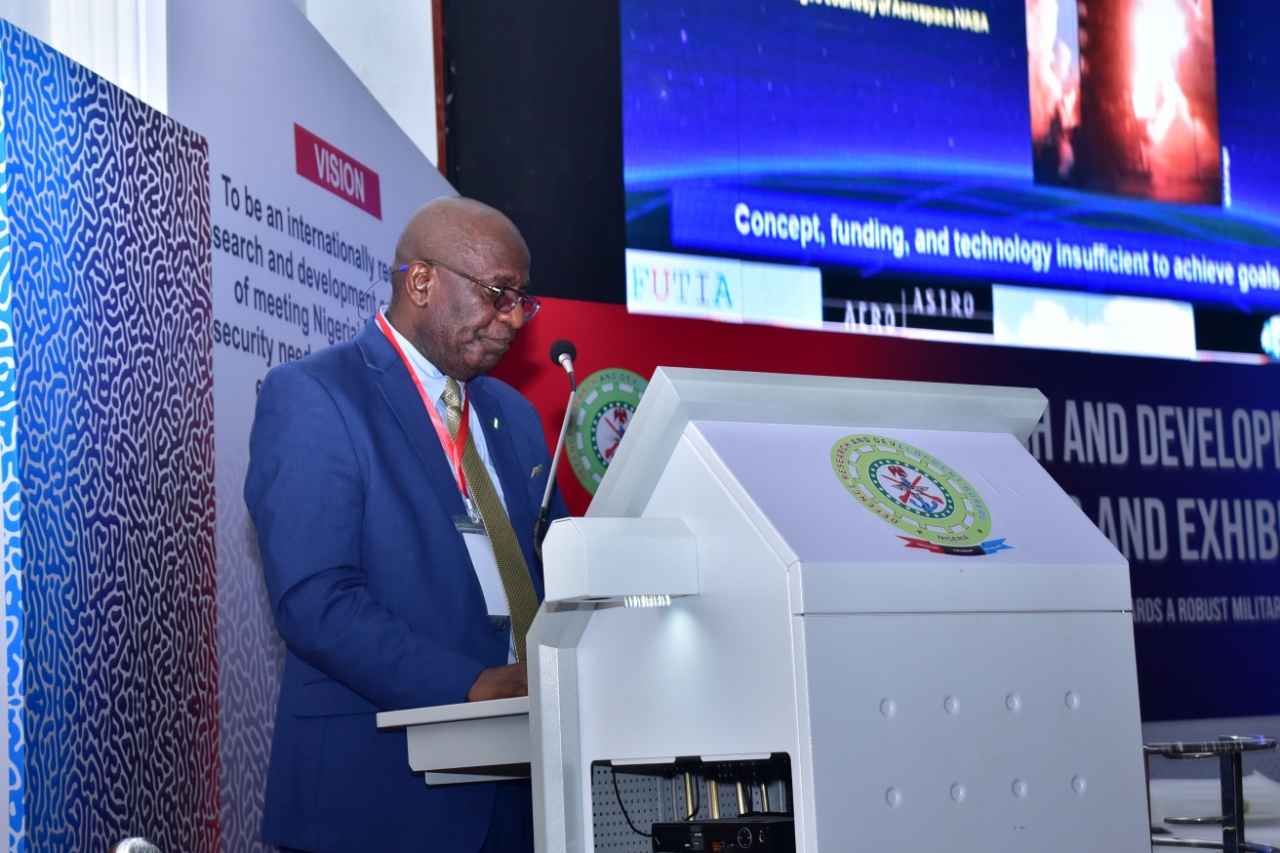
The future of
warfare lies in seamless digital connectivity across military platforms, where
personnel, vehicles, machines, drones, and sensors exchange real-time data to
strengthen situational awareness and accelerate decision-making on the
battlefield. This was the central message during the seminar on "Emerging
Technologies and Warfare: Enhancing Defence Research and Development for Future
Warfare Capabilities" held today, January 29, 2026, at the Defence
Research and Development Bureau multipurpose hall.
Delivering
the keynote lecture, Air Vice Marshal Akeem A. Adebomehin, Director of
Aerospace Research, described how artificial intelligence, cyber and electronic
warfare are revolutionizing national conflict preparation and engagement in
conflicts. He added that AI models are being increasingly integrated into
military operations, enabling faster decision-making and improving surveillance
for more effective targeting. AVM Adebimehin emphasized that AI-enabled drone
swarms with autonomous peer-to-peer communication and coordination are
redefining air dominance by overwhelming traditional defense systems.
The presentation
highlighted the critical importance of training, capacity building and timely
adaptation to current disruptive technologies. The speaker maintained that
through disruptive technologies, including robotics and big data analytics,
military institutions can accelerate intelligence gathering, mission planning,
and combat responses. He further noted that as nations continue to invest in
these technologies, the future of warfare will depend on mastery, accelerated
reconstruction and adaptive capacity in the face of relentless technological
evolution. He added that the integration of AI and cyber warfare capabilities
will be crucial in determining success on the battlefield.
The presentation
highlighted the critical importance of training, capacity building and timely
adaptation to current disruptive technologies. The speaker maintained that
through disruptive technologies, including robotics and big data analytics,
military institutions can accelerate intelligence gathering, mission planning,
and combat responses. He further noted that as nations continue to invest in
these technologies, the future of warfare will depend on mastery, accelerated
reconstruction and adaptive capacity in the face of relentless technological
evolution. He added that the integration of AI and cyber warfare capabilities
will be crucial in determining success on the battlefield.
In
a significant step toward enhancing Nigeria's defence self-reliance, ATIL
Aerospace proposes a strategic partnership to produce indigenous solid
propulsion and tactical rockets with the Defence Research and Development
Bureau (DRDB). The proposal was made to the Director General, Rear Admiral Kehinde
Odubanjo mni and other Directors of the Bureau by the Chief Technology Officer
of ATIL Aerospace, Anas Musa Isah and the Chief Operations Officer Anas Ahmed
on Tuesday 20 January 2026.
The
team highlighted ATIL Aerospace's breakthrough in local solid propulsion
technology and its successful development and testing of rockets. Anas Musa
Isah emphasized the strategic importance of the development in reducing
Nigeria's dependence on foreign technologies for critical defence applications.
The Chief Technology Officer further stated that the solid propulsion systems
and tactical rocket capabilities represent a homegrown solution that can
directly support the Armed Forces in combating insurgency and other security
challenges.
ATIL
Aerospace expressed a strong interest in partnering with DRDB on joint
research, further development, scaled production, and potential integration
into military systems. It was stated that the collaboration would accelerate development
of locally produced tactical rockets, offering cost-effective and reliable
alternatives to imported systems. This is because most materials needed would
be sourced in-country, which aligns with the country’s push for indigenous defence
solutions.
Rear
Admiral KJ Odubanjo mni, affirms the importance of indigenous Research and
Development initiatives for the advancement of defence technologies to address
the security challenges of the country. He commended the achievements of ATIL
Aerospace and underscored the need for further engagement with other defence
agencies for a robust collaboration.
Lecture on Sustainable R&D for National Development: Strategic Options for Nigeria
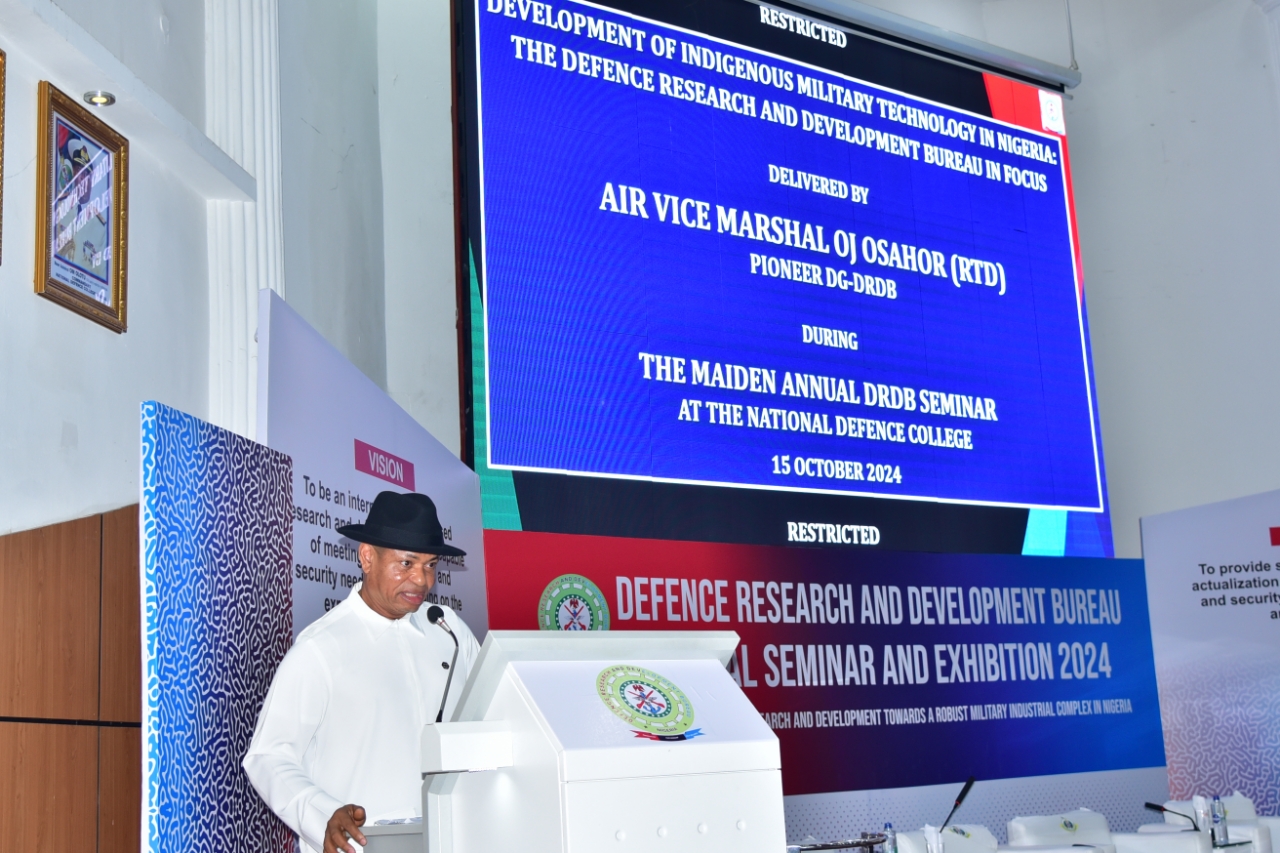
Get Lecture Note HereLecture on Development of Indigenous Military Technology in Nigeria: DRDB in Focus
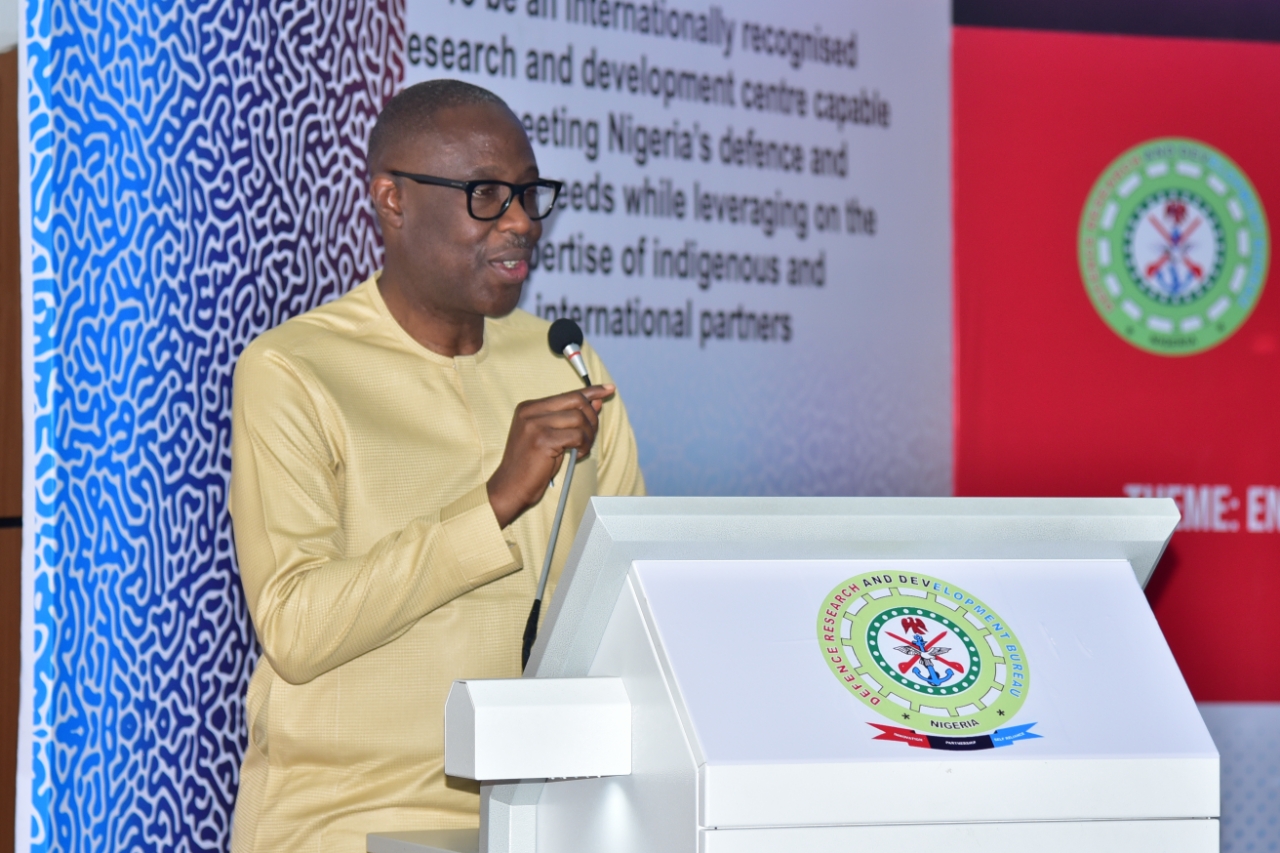
Lecture on The Role of Public and Private Sectors in Development of a Robust Military Industrial Base in Nigeria
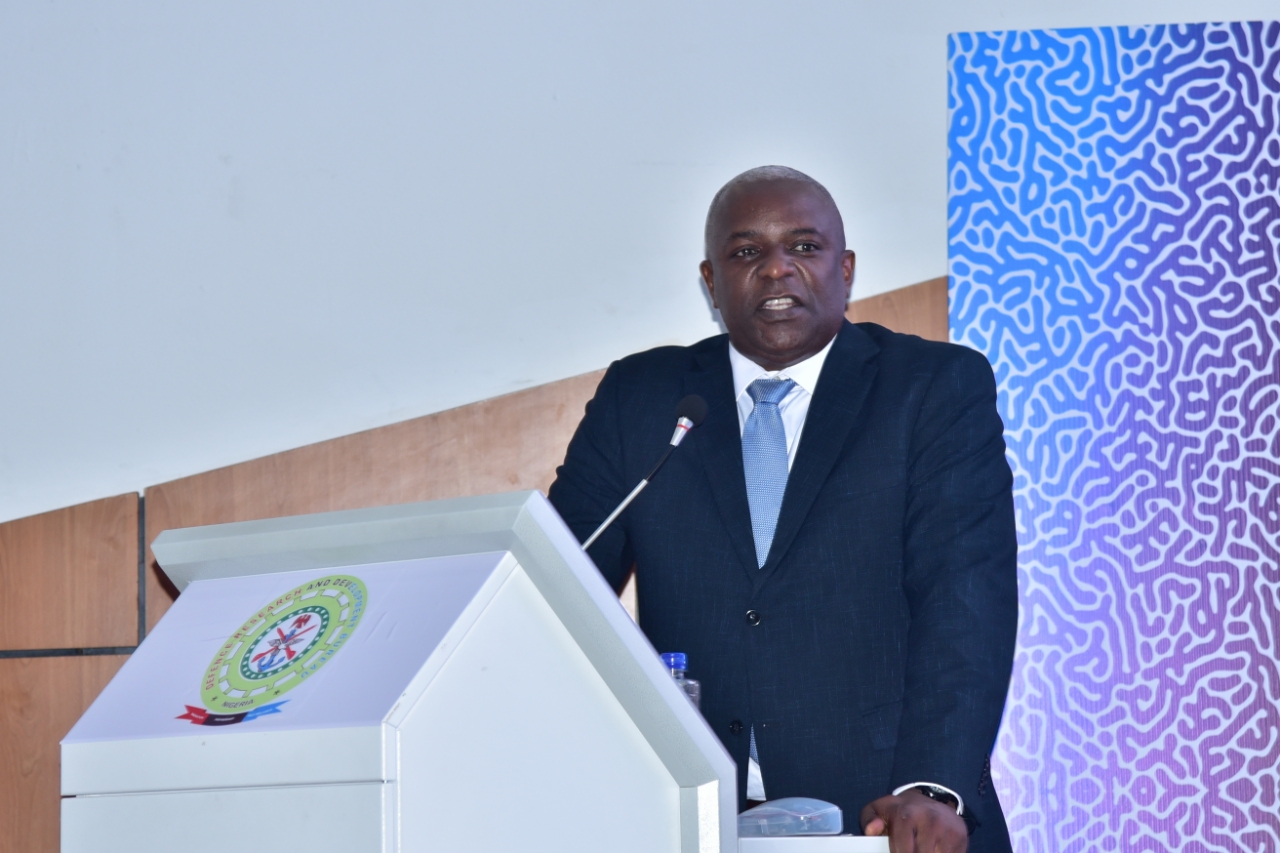
Get Lecture Note HereLecture on Development and Application of Modern Technology: AFN in Perspective
Get Lecture Note HereCOMING SOON